What We Sought
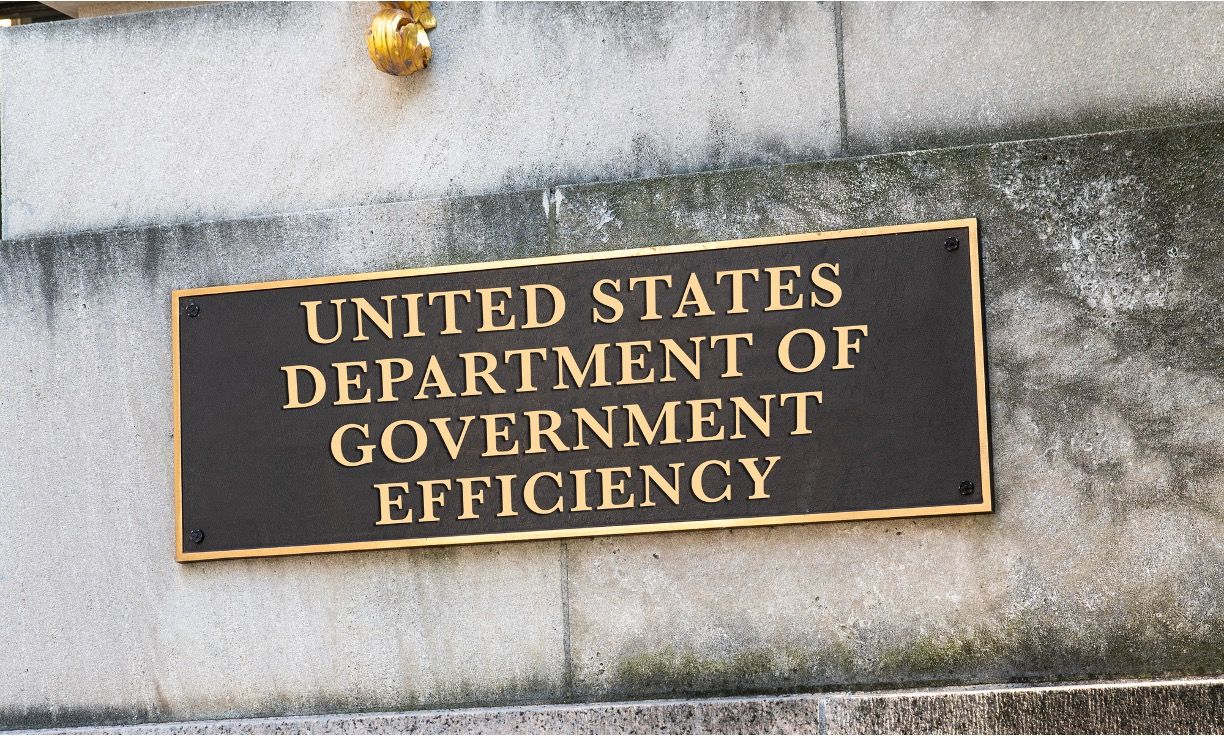
Following the signing of the Establishing and Implementing the President’s “Department of Government Efficiency” executive order on January 20, 2025, the so-called “Department of Government Efficiency” (“DOGE”) has played a critical role in the Trump-Vance administration’s push to dramatically reduce the size of the government.
The results have already been catastrophic for the functioning and effectiveness of the federal government, and far from transparent and efficient, as DOGE’s head, Elon Musk, had promised. DOGE pursued its mission while boasting that these changes would mean more money in the pockets of everyday Americans. So far it appears to be having the opposite effect and experts estimate that DOGE may cost just as much as it saves. Below are examples of the broad impact of DOGE across the federal government, including in the shuttering of agencies; the seizure of sensitive data; the widespread and illegal firings of tens of thousands of civil servants and the departures of hundreds of thousands more; and to the unlawful decimation of hundreds of billion dollars in federal funding.
DOGE has worked to shutter federal agencies across the federal government, including for example, U.S. Agency for International Development, and the Consumer Financial Protection Bureau. In addition, DOGE trained its sights on small independent agencies and statutory nonprofits, seeking to dismantle the U.S. Institute of Peace, Woodrow Wilson Center, U.S. African Development Foundation, Institute of Museum and Library Services, among others. These activities resulted in sweeping terminations of grants and contracts managed by the agencies. The impact of the shuttering of these federal agencies and the termination of their contracts and grants is already being felt as a result of DOGE’s actions.
DOGE also seized, or attempted to seize, control of some of the most carefully protected and sensitive information systems held by the federal government, including but not limited to those housed at the Department of Education, the Department of Health and Human Services, the Department of Labor, the Treasury Department, the Consumer Financial Protection Bureau, the National Nuclear Security Administration, the Office of Personnel Management, and the Social Security Administration. Against this backdrop of relentless attacks on Americans’ data, there have been considerable efforts to stop such unlawful access, both in the courts and in the public square.
DOGE’s reach has been extensive in large part due to its utilization of the Office of Personnel Management (OPM). Given OPM’s role as the federal government’s human resources department, it has played a considerable role in the attacks against federal agencies since day one of the second Trump administration. From DOGE using OPM’s headquarters as one of its hubs, to OPM announcing the deferred resignation program (“Fork in the Road”), to OPM’s joint memo with the Office of Management and Budget to instruct all agencies to draw up large-scale layoffs, commonly known as Reductions in Force (RIFs)–all of these joint efforts have supercharged DOGE’s ability to affect the workforce government-wide.
To shed light on DOGE’s efforts government-wide, we have submitted dozens of requests to shed light on DOGE staffing, communications, copies of Memoranda of Understanding (MOU) or other agreements between their agency and DOGE, and much more.
What We Received
In response to our requests for DOGE MOUs, we have received varied responses from agencies, ranging from MOUs for DOGE affiliates to redacted correspondence. Additionally, following our requests and subsequent litigation to shed light on members of DOGE being given access to the Department of Treasury’s Bureau of Fiscal Service (“BFS”) payment systems, we have received records that reveal communications from early February between agency officials working to get DOGE affiliates, Marko Elez and Thomas Kraus, up to speed. Agency responses are included below.
We will continue to provide updates on the information we receive from these court mandated productions as they become available.