
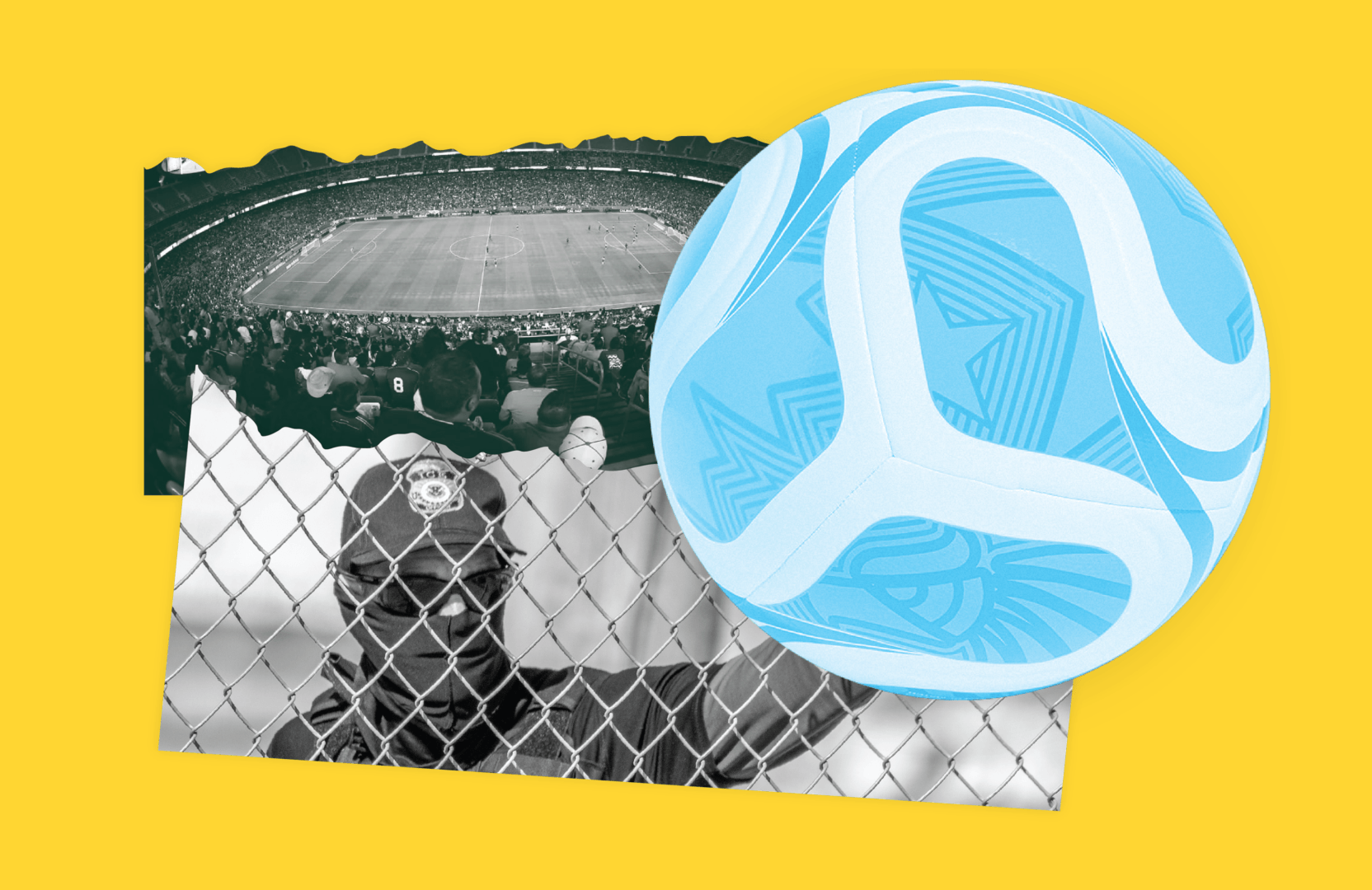
The United States is co-hosting the 2026 FIFA World Cup alongside Mexico and Canada, bringing the world’s biggest sporting event to 11 American cities – and along with it, millions of fans from around the world. Yet as the 2026 World Cup puts a global spotlight on the United States, two visions of America are competing: one that shuts people out, and one that leaves a seat at the table for everyone.
This year’s tournament is shadowed by the threat of the Trump-Vance administration’s militarized immigration enforcement. Since January 2025, there have been over 167,000 Immigration and Customs Enforcement (ICE) arrests, with many of the host cities being in the top ten most targeted. Homes, schools, and places of worship have been sites of arrests, leading fans to believe that enjoying games in public may come at a cost. And according to a recent poll, most Americans oppose ICE patrolling stadiums during the games.
The 2026 World Cup puts a global spotlight on the United States – and two visions of America are competing: one that shuts people out, and one that leaves a seat at the table for everyone. Democracy Forward believes there is no room for hate in our democracy, and we are proud to join the coalition powering the No ICE in the Cup campaign to build support for a tournament where all fans can enjoy this year’s tournament.
You have the right to enjoy the World Cup, but before you attend a game, learn more about your rights in and out of the stadium.
Know Your Rights: If You Encounter Law Enforcement
Whether you are attending a match, watching in a fan zone, or gathering with friends at a park during the tournament, these rights apply to you regardless of immigration status.
- Remain calm and composed. Do not resist or obstruct any immigration or law enforcement officer. Keep your hands visible at all times and do not provide false information about your name or immigration status.
- You have the right to leave. If you are stopped on the street but are not under arrest, you can ask: “Am I free to go?”
- You generally have the right to remain silent. You do not have to answer questions, and you have the right to speak with an attorney before doing so. Say: “I have the right to remain silent and to speak to an attorney.”
- You have the right to refuse a search. Immigration and law enforcement officers generally cannot search you or your property — your phone, home, or car — without a judicial warrant signed by a judge. Ask: “Do you have a judicial warrant?” and state: “I do not consent to a search.”
- You have the right to ask questions. You can ask why you are being stopped and request the officer’s name or badge number. Ask: “Why am I being stopped?”
Know Your Rights: Documenting What You See
If you witness an immigration enforcement action at or near a World Cup venue or fan event, you have the right to document it safely.
- You are generally allowed to film or photograph anything in plain view when you are lawfully present in a public space even if law enforcement tells you to stop recording.
- Observe from a safe distance and do not physically interfere with or obstruct law enforcement. If instructed to move farther away, it is often safest to comply, document the interaction, and challenge it later.
- You do not need to unlock your phone without a warrant. Law enforcement cannot legally search your phone’s contents without a warrant or your consent.
- You may inform others of their rights, including the right to remain silent or to speak with an attorney.
- Document what you see. If you witness an immigration enforcement arrest or raid, you may wish to take notes immediately afterward to recount the details.
A Tournament for All
Immigrant communities have been ruthlessly targeted by the Trump-Vance administration, chipping away at the fabric of our democracy. But the World Cup has always been an opportunity for civic action and unity, and this year is no different. Community groups, legal organizations, and advocates across the country are mobilizing to make this tournament safe and welcoming for everyone – and knowing your rights is one of the most powerful tools you have.
Visit our Know Your Rights Hub to learn more about your rights and learn how to protect others in your community.